


Picking cfd brokers in 2026 is not a small game for a brokerage business. One wrong partner and the whole plan can go for a toss. If spreads look sweet but liquidity dries up at crunch time, the damage hits both margins and client trust.
Many wholesale buyers face the same headache: who is actually reliable, who gives fair pricing, and who stands by you after the deal is signed. On paper, everyone looks solid. In real business, the truth comes out when markets get choppy.
Think of it like choosing a long-route transport partner. A shiny truck means nothing if it breaks down halfway. In the same way, a broker with flashy claims is of little use if execution, support, or partner terms start wobbling when volume grows.
An EasyCashbackFX executive put it simply: “Good brokerage partnerships are built on consistency, not promises.”
This guide gets straight to the point: how to judge reliable providers, compare top options for wholesale partners, weigh low spreads against strong liquidity, and spot white-label setups that can help your brokerage grow without burning cash or time.
How to choose reliable cfd brokers in 2026?
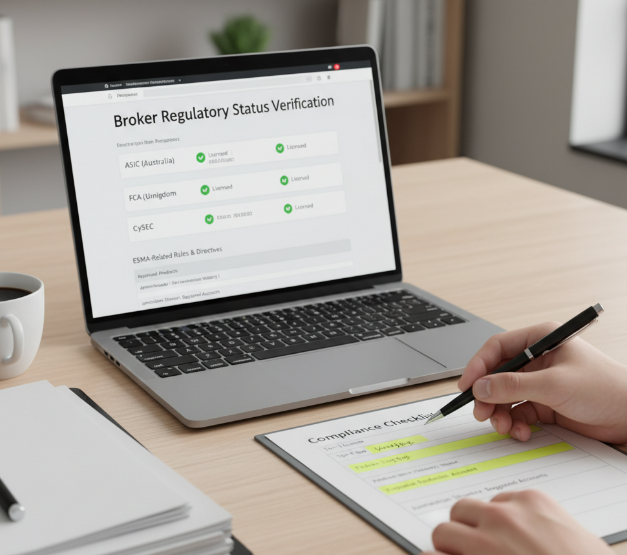
Tier-1 Licensing and Product Intervention Measures
Check the Tier-1 license status, not just the homepage badge.
Look at which regulatory bodies supervise the broker: ASIC, FCA, CySEC, or rules shaped by ESMA.
Review any product intervention history tied to CFDs.
A broker under respected regulators usually plays it straighter. If licensing looks messy or split across weak jurisdictions, that’s a red flag. For wholesale buyers, clean supervision lowers legal drama and makes onboarding feel a lot less sketchy.
Negative Balance Protection and Client Fund Segregation
Negative balance protection helps stop clients from owing more than deposited.
Client funds should sit in segregated accounts, not mixed with company cash.
Strong investor protection boosts fund security and overall financial safety.
This stuff matters big time during market chaos or possible insolvency. If a broker is vague here, walk away. Wholesale partners need a setup that protects users and keeps reputation damage off the table.
Know Your Customer Procedures and Anti-Money Laundering Protocols
A solid broker runs clear identity verification, follows serious AML protocols, and treats anti-money laundering as daily compliance, not box-ticking. Good fraud prevention and proper due diligence protect the brokerage from bad accounts, chargeback headaches, and regulator heat. If onboarding is too loose, risk goes up. If it’s too clunky, conversion drops. The sweet spot is fast, traceable, and clean.
Leverage Caps, Investor Compensation Schemes, and Risk Controls
Leverage caps shaped by ESMA regulations reduce blowups.
Investor compensation rules matter if the broker collapses.
Strong risk controls support better risk management across client books.
Clear margin requirements and regulatory limits keep expectations real.
For wholesale deals, this is not just compliance talk. It affects client retention, complaint volume, and long-term trust. Loose leverage may look exciting, sure, but it can wreck accounts fast.
Application Programming Interface Access for Brokerage Integration
Ask what kind of API access is offered.
Check how easy brokerage integration is with CRMs, dashboards, and trading platforms.
Review developer tools, uptime, and support quality.
Confirm third-party integration options, algorithmic trading support, and reliable data feeds.
If the API is weak, scaling gets annoying real fast. For wholesale buyers, smooth integration saves time, cuts manual work, and helps launch faster without patching together a weird tech stack.
Top 5 cfd brokers for brokers and wholesale partners
Best for Foreign Exchange Pairs and Stock Indices Liquidity
IG stands out here. Its institutional and prime material highlights deep liquidity, 24/5 pricing on major indices and FX pairs, DMA options, and API access. For brokers focused on Forex trading, currency pairs, stock indices, and fast-moving global markets, IG is a strong pick when tight spreads, high liquidity, and execution quality are the big pain points.
Best for Precious Metals, Hard Commodities, and Energy Futures
Saxo Bank is a strong name for firms that want broad coverage across precious metals, hard commodities, and energy futures. Saxo says its institutional offering includes 8,600+ CFDs and 250+ futures covering energy, metals, rates, and more. That makes it a practical choice for gold CFDs, silver trading, crude oil futures, natural gas, and wider commodity CFDs across active energy markets.
Best for Cryptocurrency CFDs and Exchange Traded Funds Coverage
CMC Markets / CMC Connect fits this slot well. CMC says its CFD platform offers thousands of products, while CMC Connect highlights access to indices, commodities, treasuries, and white-label/API solutions. For brokers that want cryptocurrency CFDs, Bitcoin trading, Ethereum CFDs, altcoin exposure, and stronger ETF coverage through exchange-traded funds, CMC brings a pretty broad shelf.
Best for Social Copy Trading and Automated Trading Systems
Pepperstone is a solid real-world fit for this subtopic. Pepperstone offers copy trading, cTrader Copy, MT4/MT5 support, cTrader Automate, API-style platform tools, and integrations that support expert advisors, trading bots, and algorithmic trading. For buyers comparing copy trading, social trading networks, automated trading, and strategy replication, Pepperstone covers both the social and system-driven sides without making it feel clunky.
Best for White-Label Brokerage Scaling and Multi-Account Support
Leverate is the clearest fit for white-label buyers. Its current brokerage pages promote a turnkey white-label stack with platform, CRM, liquidity, risk tools, social trading, and branding options built to launch and scale a CFD brokerage. For wholesale procurement teams focused on white-label solutions, brokerage scaling, institutional brokerage, broker partnerships, and customizable platforms, Leverate is built for that exact conversation.
Low spreads vs. strong liquidity: Which matters more?
Bid-Ask Spread and Depth of Market
A tiny Spread is nice, sure, but it is only half the story.
Bid price and Ask price show the entry cost.
Order book and Market depth show how much Volume sits near that price.
Thin Liquidity can wreck Price discovery fast.
For wholesale brokerage deals, a slightly wider Spread with deeper market depth often feels way safer than a flashy quote that cannot hold size.
Slippage Tolerance and Requotes
Slippage tells you how far the fill moves from the quoted price.
Requotes show up when Price volatility spikes or Market conditions get messy.
Tolerance settings matter, but so do Execution speed and backend routing.
For B2B buyers, clean Order execution with low Price deviation usually beats “ultra-low spread” marketing. If a broker cannot keep fills stable, the deal gets shaky real quick.
Market Order, Fill or Kill, Immediate or Cancel
Market order is all about Instant execution at the Best available price, though Price uncertainty comes with the ride.
Fill or Kill (FOK) means Complete execution now, at a Specific price, or full Order cancellation.
Immediate or Cancel (IOC) allows a Partial fill, then cancels the Remaining order.
In plain English: high Liquidity and enough Volume decide which one works best for brokerage flow.
Execution Commission and Overnight Swap Rates
Low headline spreads can still sting once the math kicks in.
Execution commission adds direct Trading fees per deal.
Overnight swap brings Holding costs and Rollover fees tied to Interest rates.
Extra Broker charges can quietly inflate total CFD costs.
For wholesale procurement, the smart move is checking the full cost stack, not just the front-end quote. Cheap-looking pricing can turn pricey overnight.
Need better brokerage margins? Compare white-label CFD solutions.
Initial Margin Requirement and Maintenance Margin by Broker Model
A dealing-desk Broker model may look cheap up front, but Initial margin and Maintenance margin rules can eat into working cash.
An STP or hybrid setup often gives cleaner Risk management and a steadier Capital requirement plan.
If Leverage is too loose, a Margin call wave can hit clients hard and bounce back on partner operations.
Pick the Broker model that fits your client mix, not just the sales pitch.
Revenue Impact of Bid-Ask Spread, Pip Value, and Execution Commission
Bid-ask spread shapes day-to-day Brokerage revenue.
Pip value matters more when clients trade size, not just frequency.
Execution commission can boost Profit margin, but only if the Pricing model feels fair.
Trading costs that look sneaky can scare off serious partners.
The sweet spot is simple: keep Trading costs clear, keep Profit margin healthy, and do not nickel-and-dime users.

One-Click Execution, Technical Indicators, and Candlestick Charting
A slick Trading platform can save a ton of friction. One-click execution helps active desks move fast, while Technical indicators and Candlestick charts make Chart analysis and Market analysis feel smooth, not clunky. If the User interface is messy, users bounce. If it feels clean and snappy, partners can pitch it with confidence. Good tools are not fluff; they help close deals and keep traders around.
Strategy Backtesting, Economic Calendars, and Automated Trading Systems
Quick wins matter here.
Strategy backtesting lets prospects test a Trading strategy with Historical data before going live.
An Economic calendar keeps Market events in view, so nobody gets blindsided.
Automated trading and Algo trading features attract partners who want scale, not manual grind.
If a platform nails these basics, it feels built for grown-up brokerage business, not a half-baked side hustle.
Market Order Workflows with Stop Loss Order and Take Profit Order
A clean Market order flow gets trades in without weird clicks.
Stop loss settings support Risk management from the jump.
Take profit rules help with Position management and keep the Trade workflow tidy.
Smooth Order execution builds trust with brokers and wholesale buyers.
If this flow is confusing, support tickets pile up fast. If it is clean, the whole desk runs calmer.
Guaranteed Stop Loss, Pending Order, and Trailing Stop Controls
Guaranteed stop loss is a strong Risk control tool when markets get jumpy.
Pending order support gives traders more flexible Order types.
Trailing stop features help with Trade management during fast moves.
Lower Slippage pain usually means fewer complaints from partners.
This stuff may sound technical, but it hits real business pain: smoother execution, less chaos, and a platform that does not freak users out when volatility kicks in.
Brokerage Growth Strategies
For wholesale cfd brokers, growth is not just more traffic, yaar. It comes from better Client Acquisition, sharper Platform Innovation, and trust that stays strong.
A brokerage can look fancy on day one and still struggle after six months. The reason is simple: many brands chase sign-ups but ignore User Engagement, Technology Integration, Regulatory Compliance, and proper Market Expansion. In B2B brokerage, partners want stable systems, clean onboarding, and a business model that can scale without daily drama.

What actually drives brokerage growth
Client Acquisition must stay targeted
Not every lead is useful. A wholesale-focused brokerage should attract affiliates, introducing brokers, regional partners, and white-label buyers who can bring repeated volume.Platform Innovation keeps the offer fresh
If the trading experience feels old-school or clunky, partner networks lose interest fast. Tools like Technical Indicators, Candlestick Charting, Economic Calendars, and One-Click Execution help a lot.Regulatory Compliance builds long-term trust
Big partners do not want risk from weak Know Your Customer Procedures, shaky Anti-Money Laundering Protocols, or poor Client Fund Segregation.Technology Integration reduces friction
Smooth Application Programming Interface connectivity, CRM syncing, payment routing, and reporting dashboards make operations less painful.User Engagement improves retention
Good clients do not stay only for low Bid-Ask Spread. They stay when the platform is easy, support is quick, and risk tools like Stop Loss Order, Take Profit Order, and Volatility Alerts work properly.Competitive Analysis shows where money is leaking
If another broker offers better execution, lower Inactivity Fees, or wider market access across Foreign Exchange Pairs, Stock Indices, Precious Metals, and Cryptocurrency CFDs, partners will shift, simple.
A simple growth path for brokerage brands
Fix trust before scaling
Get Tier-1 Licensing where possible. Strengthen Negative Balance Protection, Investor Compensation Schemes, and Product Intervention Measures alignment. This gives sales teams something real to show.Make the core product easier to sell
Add clear pricing, stable Market Order execution, low Requotes, and transparent Execution Commission. Partners hate hidden surprises.Expand the instrument mix smartly
A stronger shelf of Foreign Exchange Pairs, Stock Indices, Hard Commodities, Soft Commodities, Energy Futures, Government Bonds, Exchange Traded Funds, and Precious Metals helps different partner types pitch different audiences.Improve platform stickiness
Add Social Copy Trading, Strategy Backtesting, Automated Trading Systems, and Depth of Market. These features give sales teams better talking points.Open new regions with discipline
Market Expansion should match local risk appetite, regulation, language, and payment habits. Random expansion looks exciting but can burn cash very fast.Track partner success, not just deposit count
Watch activation rate, retained traders, average Pip Value contribution, margin usage, and partner complaint themes. That is where the real story sits.
Growth pillars that matter in day-to-day brokerage work
Client Acquisition
A strong acquisition model is not only ads. It includes partner education, regional webinars, broker comparison pages, and sales material that explains Initial Margin Requirement, Maintenance Margin, and Hedging Capability in plain language.
Platform Innovation
Innovation is not just a new app icon, boss. It means faster order routing, cleaner mobile trading, better Pending Order controls, and reliable Trailing Stop and Guaranteed Stop Loss support.
Market Expansion
Expansion works best when a brokerage picks one region, one client profile, and one value angle. For example, one market may care about low Bid-Ask Spread, while another may value Cryptocurrency CFDs and Exchange Traded Funds access.
Regulatory Compliance
This is not “back office stuff only.” Sales, support, onboarding, and risk desks all depend on proper Know Your Customer Procedures and Anti-Money Laundering Protocols. Weak compliance can kill a promising deal in one meeting.
Competitive Analysis
Compare not just pricing, but also One-Click Execution speed, Slippage Tolerance, Stop-Out Level settings, and support quality. A cheap broker with poor execution gets cursed very quickly.
Technology Integration
A wholesale broker grows faster when reporting systems, partner dashboards, CRM, payment gateways, and Application Programming Interface tools talk to each other without headache.
User Engagement
Clients trade more when the platform feels clear and useful. Add alerts, education, local language support, risk prompts, and custom market watchlists.
Quick descriptions from a brokerage buyer’s view
“I need something easy to resell.”
That usually means clean onboarding, visible compliance standards, good platform demos, and an instrument list that covers popular demand.
“I need clients to stay longer.”
Retention improves when execution is consistent, margin rules are clear, and the platform supports Position Sizing, Risk-Reward Ratio tracking, and Portfolio Diversification.
“I need better margins.”
A broker can protect margins through stronger dealing setup, lower operational waste, smart fee positioning, and better conversion from trial accounts to funded accounts.
“I need fewer support tickets.”
That comes from better UX, accurate pricing display, and fewer issues around Requotes, Margin Call notices, and order rejections.
Brokerage growth scorecard
| Growth Area | Main Focus | Useful Metrics | Common Problem |
|---|---|---|---|
| Client Acquisition | Partner and trader onboarding | Cost per lead, activation rate, funded accounts | Weak targeting, poor conversion |
| Platform Innovation | Trading experience and tools | Session time, feature usage, repeat logins | Old interface, limited tools |
| Market Expansion | New regions and buyer segments | Regional revenue, approved accounts, retention | Wrong country fit, payment issues |
| Regulatory Compliance | Trust and approval readiness | Verification speed, rejection rate, audit readiness | KYC gaps, AML delays |
| Technology Integration | Operational efficiency | API uptime, reporting speed, support tickets | Manual work, broken data flow |
| User Engagement | Retention and loyalty | Churn rate, trade frequency, feature adoption | Low activity after signup |
Commercial comparison table for partner planning
| Broker Priority | Best Entity Mix | Revenue Impact | Operational Note |
|---|---|---|---|
| Volume-led model | Foreign Exchange Pairs, Stock Indices, One-Click Execution, Depth of Market | Better spread-based income | Needs strong execution stability |
| Premium client model | Precious Metals, Government Bonds, Guaranteed Stop Loss, Strategy Backtesting | Higher value accounts | Needs clearer education and risk support |
| Trend-led retail expansion | Cryptocurrency CFDs, Social Copy Trading, Economic Calendars, Technical Indicators | Fast user growth potential | Needs tighter Regulatory Compliance |
| White-label growth model | Application Programming Interface, Automated Trading Systems, Client Fund Segregation, Tier-1 Licensing | Better B2B conversion | Needs strong Technology Integration |
Voices from easycashbackfx
Rohan Mehta, Product Manager, easycashbackfx
“Partners do not ask only for low spreads, bhai. They ask how fast accounts get approved, how stable the platform is, and how easy it is to pitch the product in local markets.”
Ananya Iyer, Compliance Lead, easycashbackfx
“When Regulatory Compliance is clean, sales cycles become smoother. Client Fund Segregation, Negative Balance Protection, and proper Know Your Customer Procedures help remove fear from the buying side.”
Vikram Sethi, Engineering Manager, easycashbackfx
“Technology Integration changes the game. If your Application Programming Interface, reporting tools, and execution engine are disconnected, support load goes up and User Engagement drops.”
Neha Kapoor, Growth Executive, easycashbackfx
“Client Acquisition gets costly when the message is vague. A broker grows faster when it knows exactly who it wants—affiliates, IBs, local partners, or white-label buyers.”
Common mistakes that slow brokerage growth
Chasing too many countries at once without proper Market Expansion planning
Selling low spreads while ignoring Slippage Tolerance and Requotes
Offering many markets but weak liquidity in Stock Indices or Energy Futures
Forgetting risk features like Stop Loss Order, Take Profit Order, and Margin Call alerts
Running Competitive Analysis only on price, not on execution quality
Treating User Engagement as a marketing problem only
Delaying Platform Innovation until partners already start complaining
A practical plan for the next 90 days
Days 1–30
Clean the basics. Tighten onboarding, sharpen sales messaging, review compliance proof, and map where Client Acquisition is wasting money.
Days 31–60
Upgrade the product offer. Improve execution flow, add better chart tools, expand the instrument basket, and polish risk controls such as Trailing Stop and Guaranteed Stop Loss.
Days 61–90
Push growth with discipline. Start focused Market Expansion, improve partner reporting, and run Competitive Analysis against the top three broker rivals in your target segment.
Why do some cfd brokers fail partner expectations?

Weak Hedging Capability and Poor Portfolio Diversification Support
A lot of partner dissatisfaction starts here. If CFD brokers offer weak hedging capability, wholesale buyers get boxed in fast.
Risk hedging stays shallow
Asset allocation feels limited
Portfolio diversification support looks thin
A broker evaluation should check if Online trading platforms cover Foreign Exchange Pairs, Stock Indices, Precious Metals, Hard Commodities, Soft Commodities, and Cryptocurrency CFDs. Without real trading flexibility, risk exposure stacks up, and the whole business mismatch becomes a pain.
Margin Call, Stop-Out Level, and Maximum Drawdown Misalignment
Here’s where account protection can go sideways:
Margin call rules kick in too early.
Stop-out level settings feel harsh.
Maximum drawdown tolerance does not match client profiles.
That mix hurts risk control and drawdown management. In CFD trading, a messy margin policy can scare off partners who need stable Broker selection for large books. If a broker comparison shows poor balance between Initial Margin Requirement and Maintenance Margin, that’s a red flag, plain and simple.
Inactivity Fees, Requotes, and Hidden Cost Friction
This one annoys people fast. Inactivity fees, requotes, and hidden costs create trading friction that chips away at trust. A Trading platform review should look beyond the headline Bid-Ask Spread and check:
Execution Commission
Overnight Swap Rates
Requotes frequency
Slippage Tolerance
Fee transparency
If cost pressure keeps popping up after onboarding, partner expectations drop hard. For brokerage partnerships, surprise charges are not “just business”; they are usually the reason deals go cold.

Soft Commodities, Government Bonds, and ETF Coverage Gaps
Some CFD brokers miss the mark because product coverage is too skinny. One partner may want Soft Commodities for regional demand, another may need Government Bonds or Exchange Traded Funds for broader market access. If the instrument range feels patchy, asset availability becomes a daily headache. That hurts Broker evaluation in 2026 trading trends, where buyers want Online trading platforms that can serve mixed client demand instead of pushing the same old set of products.
Position Sizing, Risk-Reward Ratio, and Volatility Alerts That Fall Short
Good partners want trade planning tools that actually help, not flashy extras.
Position sizing should be easy to control
Risk-reward ratio tools should be clear
Volatility alerts should arrive on time
Position management should not feel clunky
If the alert system lags, or Automated Trading Systems and Technical Indicators cannot support risk monitoring, CFD brokers lose credibility. In Broker comparison, this stuff matters because partners need smooth CFD trading operations, not tools that look cool but leave traders hanging.
Conclusion
Picking a broker is a bit like choosing a business partner for a long road trip—you do not judge by the shiny car alone. In 2026, smart broker selection comes down to trust, clear pricing, steady support, and a platform that does not leave you in a fix when markets turn choppy.
Check fee transparency, not just the headline spread
Review product coverage across forex, indices, commodities, and ETFs
Compare risk controls like margin call rules and stop-out levels
Test service quality before scaling brokerage partnerships
At the end of the day, the best cfd brokers are the ones that fit your business like a well-tailored suit. If margins are tight, product coverage is patchy, or support keeps passing the buck, the partnership can go south pretty fast. Keep it simple, trust the data, and back the broker that solves real pain points instead of selling hawa.
References
[FCA confirms permanent restrictions on the sale of CFDs and CFD-like options to retail consumers - https://www.fca.org.uk/news/press-releases/fca-confirms-permanent-restrictions-sale-cfds-and-cfd-options-retail-consumers]
[PS19/18: Restricting contract for difference products sold to retail clients - https://www.fca.org.uk/publications/policy-statements/ps19-18-restricting-contract-difference-products]
[ESMA adopts final product intervention measures on CFDs and binary options - https://www.esma.europa.eu/press-news/esma-news/esma-adopts-final-product-intervention-measures-cfds-and-binary-options]
[ESMA reminds firms of their obligations under CFD product intervention measures - https://www.esma.europa.eu/press-news/esma-news/esma-reminds-firms-their-obligations-under-cfd-product-intervention-measures]
[ASIC product intervention order strengthens CFD protections - https://asic.gov.au/about-asic/news-centre/find-a-media-release/2020-releases/20-254mr-asic-product-intervention-order-strengthens-cfd-protections/]
[ASIC Regulatory Guide 212: Client money relating to dealing in OTC derivatives - https://download.asic.gov.au/media/4689679/rg212-published-4-april-2018.pdf]
[CySEC Investor Compensation Fund (ICF) - https://www.cysec.gov.cy/en-GB/investor-protection/tae/information/]
[IG Prime - https://www.ig.com/sg/prime]
[IG Trading APIs - https://www.ig.com/sg/trading-platforms/trading-apis]
[Saxo CFDs - https://www.home.saxo/en-sg/products/cfds]
[Saxo Futures - https://www.home.saxo/en-sg/products/futures]
[Saxo Orders and Execution - https://www.home.saxo/en-sg/rates-and-conditions/forex/orders-and-execution]
[CMC Connect - https://www.cmcmarkets.com/en/connect]
[CMC Connect Trading Technology - https://www.cmcmarkets.com/en/connect/solutions/technology]
[CMC Cryptocurrency Trading - https://www.cmcmarkets.com/en-sg/cryptocurrencies]
[CMC ETF Trading - https://www.cmcmarkets.com/en-sg/etfs]
[Pepperstone Platforms and Integrations - https://pepperstone.com/en/platforms/]
[Pepperstone cTrader Automate - https://pepperstone.com/en/platforms/integrations/ctrader-automate/]
[Pepperstone cTrader Copy - https://pepperstone.com/en/platforms/copy-trading/ctrader-copy/]
[Pepperstone CopyTrading by Pepperstone - https://pepperstone.com/en/platforms/copy-trading/copytrading-by-pepperstone/]
[Leverate White-Label Broker Solutions - https://leverate.com/white-label-broker/]
[Leverate MT4 & MT5 White Label Brokerage Setup - https://leverate.com/mt5-mt4-white-label/]
FAQ
How do cfd brokers support wholesale brokerage partnerships?
Tier-1 Licensing builds trust, Client Fund Segregation protects funds, Application Programming Interface helps integration, and a wider instrument range improves business fit.
What should I compare before choosing an online CFD trading platform?
Check Bid-Ask Spread, Execution Commission, Market Order speed, and Technical Indicators. Good broker comparison also looks at service quality and product coverage.
Why do some cfd brokers create partner dissatisfaction?
Poor fee transparency adds hidden costs, weak hedging capability raises risk exposure, thin ETF coverage hurts market access, and slow support damages partner expectations.
How important is regulation in broker selection?
Very important. Tier-1 Licensing, Anti-Money Laundering Protocols, and Investor Compensation Schemes reduce risk and make broker evaluation safer for brokerage partnerships.
What platform features matter most for cfd brokers in 2026?
Candlestick Charting helps with quick reading, Economic Calendars support timing, Automated Trading Systems improve scale, and Strategy Backtesting helps test ideas.
How do margin policies affect wholesale clients?
A harsh Margin Call, low Stop-Out Level, or high Initial Margin Requirement can squeeze clients fast. Clean margin policy supports account protection and steadier drawdown management.
Why do cfd brokers need wider asset coverage?
Foreign Exchange Pairs attract active traders, Precious Metals and Energy Futures add hedging options, Exchange Traded Funds improve portfolio diversification, and better asset availability supports partnerships.
What execution issues should brokers watch closely?
Watch Requotes, Slippage Tolerance, and delays on Limit Order or Stop Loss Order. These issues raise trading friction and weaken trust in online trading platforms.
How can cfd brokers improve risk management for partners?
Offer clear Position Sizing tools, support Risk-Reward Ratio planning, add timely Volatility Alerts, and use Trailing Stop plus Guaranteed Stop Loss.
What is the biggest sign of a bad broker fit for wholesale procurement?
A bad fit usually shows up as weak fee transparency, thin product coverage, and poor service quality. That mix brings partner dissatisfaction, more cost pressure, and a rough broker selection outcome.